Where Mountain Hands Shape Lasting Beauty

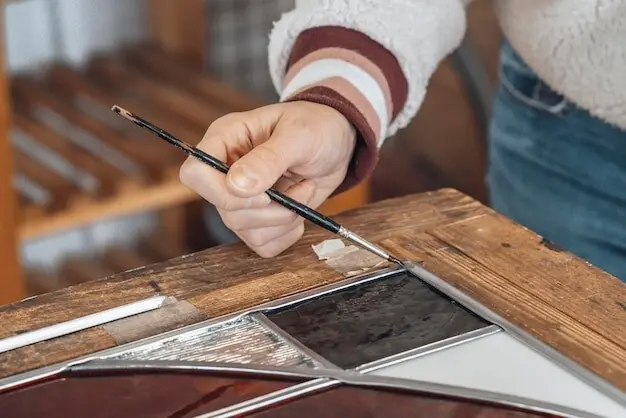
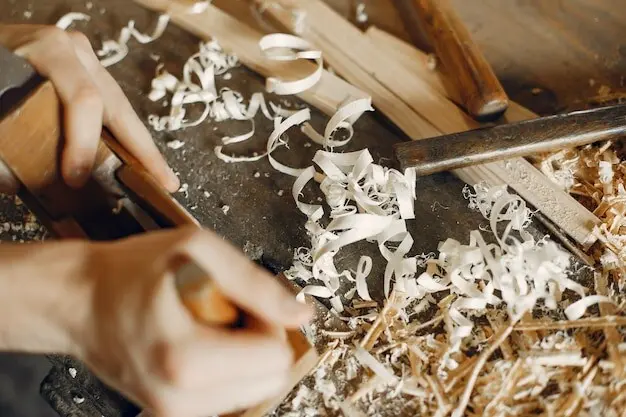
Join us as we explore Handcrafted Alpine Traditions: Woodworking, Weaving, and Leathercraft, celebrating the makers who give voice to wood, wool, and hide under snowy peaks and sunlit meadows. Wander through workshops where heritage meets innovation, hear stories etched into tools, and gather practical insights for your own projects. Share your questions, leave your memories of mountain markets, and subscribe to follow new stories, tutorials, and artisan spotlights inspired by resilient highland craftsmanship.

From Forest and Fleece to Workshop Light
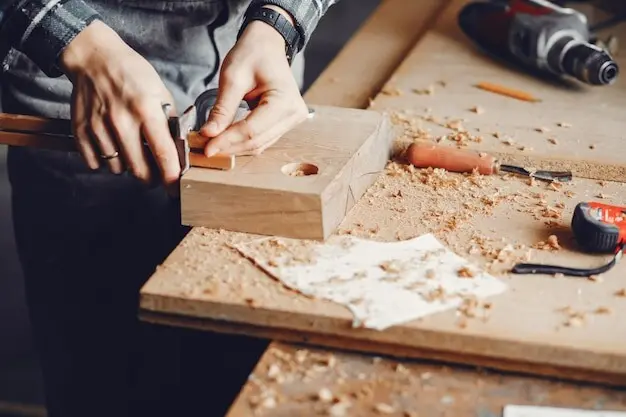
Before a carved spoon, woven blanket, or rugged boot exists, raw materials travel steep paths shaped by altitude and ancestry. Alpine forests yield resin-scented timbers, pastures offer hardy wools, and valleys provide hides cured by patient hands. Understanding where each element is born helps you read the finished piece like a map of weather, ecology, and skill. Tell us what materials you love, and which origins matter most when you choose handmade goods.

Carving, Joinery, and the Warm Glow of Timber
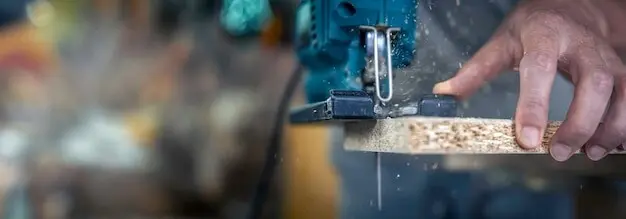
Alpine woodworking marries precision with hospitality, shaping interiors where families gather around stoves and tables that last lifetimes. Carvers chase light across reliefs, joiners lock fibers into quiet strength, and finishers burnish surfaces with waxes smelling of forest paths. We’ll share methods that travel well from chalet to city apartment. Tell us what you’re building, and we’ll recommend simple practice cuts, safe sharpening habits, and mindful approaches to grain that reduce frustrating tear-out.

Looms That Sing in Cold Valleys

Leather That Travels Mountain Paths

Leatherworkers shape gear that earns trust step by step, season by season. Cut lines follow purpose, stitches lock like footprints, and oils keep fibers supple against sleet. From satchels that carry bread and sketches to boots gripping frost, durability is romance in action. We’ll discuss thickness, temper, and edges without mystery. Comment with your carry needs and aesthetic leanings, and we’ll suggest patterns, hardware, and care routines that age beautifully rather than merely surviving.

Vegetable Tanning by the River

Tannin-rich barks and careful timing create leather that patinas instead of peeling. Vegetable-tan accepts tooling crisply, edges burnish like polished stones, and colors mellow into amber and honey. Understanding pH, casing, and drying yields consistent results. Considering ethical sourcing or collaborating with small tanneries? Ask here. We’ll share glossary terms, knife maintenance tips, and moisture tests that prevent stretch during patterns. Expect practical checklists you can print, annotate, and hang beside your cutting mat.

Stitching Boots for Steep Trails

Uphill miles judge thread choice faster than any studio critique. Welts, midsoles, and shanks balance comfort with longevity, while skiving and lasting shape heels that neither rub nor collapse. Saddle stitching outlasts speed when tension stays even. Tell us your foot quirks, local climates, and traction needs, and we’ll propose lacing patterns, lining materials, and break-in rituals. Stories of first blisters becoming faithful companions remind us perseverance crafts both footwear and character.

Hardware, Rivets, and Resilience

A beautiful strap fails if a rivet buckles or a buckle corrodes. Brass forgives weather, stainless resists salt, and copper sets with satisfying permanence. Placement matters: stress lines reveal themselves in use, not sketches. Share your daily carry weight and wardrobe context, and we’ll recommend hardware finishes, hole spacing, and reinforcement strategies. Expect guidance on setting tools, quiet mallet technique, and simple corrosion checks so patina reads as pride rather than neglect.

Seasons, Festivals, and the Rhythm of Making
Craft follows mountain calendars: winter for design and carving by warm stoves, spring for shearing and flax prep, summer for drying boards and dyes, autumn for market stalls bursting with color and scent. Festivals renew oaths to quality and kindness as much as trade. Tell us which seasonal rituals shape your creativity, and join conversations about sustainable timing, shared tool libraries, and friendly barter that turns neighbors into collaborators and apprentices into future mentors.

Start Your Own Mountain-Inspired Project

You don’t need a chalet or herd to begin; only intention, a small space, and tools you respect. Choose a project that fits your time and budget, document each step, and ask questions when knots appear. Post progress in the comments, subscribe for guided checklists, and trade support with others learning alongside you. Together we’ll celebrate tiny victories, honorable mistakes, and the quiet thrill when usefulness meets beauty in your hands.

Begin with a Simple Carving or Spoon

Select a soft, straight-grained blank, mark a centerline, and carve with small, controlled slices while keeping thumbs safe. Pause often to sharpen; keen edges reduce force and fatigue. Sand minimally to preserve crisp facets, then oil lightly. Share your progress photos for feedback on symmetry and thickness. We’ll suggest ergonomic tweaks, recommended knives, and gentle exercises that build endurance so your second spoon already feels steadier, thinner, and friendlier in daily kitchen rituals.

Weave a Narrow Band with Card or Inkle

A narrow band teaches tension, color order, and rhythm without overwhelming yardage. Choose two or three hues inspired by stone, moss, and sky; thread cards or heddles carefully, then practice clean edges with consistent picks. Steam-finish to relax fibers. Post questions about twists, selvedge issues, or yarn substitutions, and we’ll troubleshoot quickly. Expect encouragement from weavers who remember first jitters turning into steady breath, musical clacks, and a wearable ribbon of practiced patience.

Lorotelidavoxaripexiluma
Privacy Overview

This website uses cookies so that we can provide you with the best user experience possible. Cookie information is stored in your browser and performs functions such as recognising you when you return to our website and helping our team to understand which sections of the website you find most interesting and useful.