
Cabin Calm, Mountain Strong

Site, Shelter, and Silence
Power Without the Buzz
Sun-tuned Simplicity
Size panels for winter worst-case, not summer abundance, and tilt for your latitude plus a snow-shedding edge. Keep cable runs short, fuses labeled, and switches tactile. A little redundancy beats a complicated monitor. When clouds linger, your routine flexes rather than fails.
Storage That Just Works
Choose LiFePO4 for deep cycles, cold performance with a warmed enclosure, and honest state-of-charge readings. Mount batteries where you can actually reach terminals with mittens. Vent safely, anchor boxes against seismic shivers, and post a pencil checklist. Reliable power begins with ordinary, repeatable care.
Fallbacks for Long Storms
Balance the system with non-electric backups: a gravity-fed water line, a stovetop kettle, and candles set well away from curtains. A small, quiet generator stays outside, used sparingly for tools or charging. Stories read aloud make the grayest day glow without a single pixel.
Water, Heat, and Air That Care
Materials That Age Gracefully
{{SECTION_SUBTITLE}}
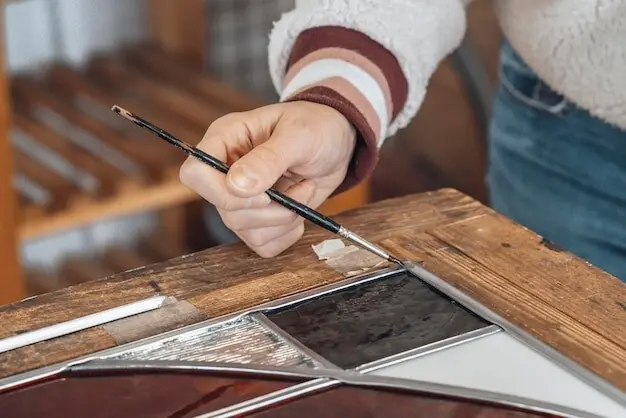
Timber, Stone, and Fiber

Light That Loves Timber

Rooms for Rituals
Low-Tech Tools and Daily Flow

Morning Light, Measured and Savored

Storm Days That Spark Creativity
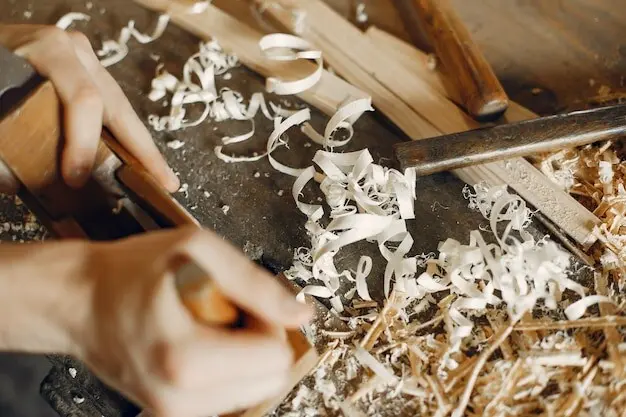
Evenings by Lamplight

Trails, Water, and Wildlife Respect
Keep dogs leashed near nesting grounds, avoid muddy trails that braid into meadows, and filter dishwater through duff. Meet the local ranger; ask about seasonal closures. When you understand the watershed, your cabin becomes a participant in restoration, not a spectator or a burden.
Repair Culture and Skill Sharing
Host a small work day: sharpen tools, rehang a sticky door, patch plaster, and label shutoffs together. Swap tricks for stacking wood and thawing lines. Document steps in a binder. When skills circulate, independence grows, emergencies shrink, and friendships become part of the structure.
Join the Conversation
Share a photo of your stovepipe heat shield, rain catchment tweaks, or window-seat library, and tell us what you would change after the first blizzard. Comment below, invite questions, and subscribe. Your field notes guide future posts and help others build wiser, warmer refuges.
All Rights Reserved.